


Best Prototyping Methods for Robotics Startups
Jun 11
4 min read
The robotics industry is evolving rapidly, especially with the rise of AI-powered humanoid robots, service robots, warehouse automation systems, and smart devices. For robotics startups, rapid prototyping plays a critical role in accelerating product development, validating designs, and reducing time to market.
From functional testing to appearance validation, choosing the right prototyping method can significantly impact development speed, cost, and product performance.
In this article, we explore the best prototyping methods for robotics startups and how to select the right manufacturing process for different stages of robot development.

Why Rapid Prototyping Matters for Robotics Startups
Unlike traditional consumer products, robotic systems involve complex mechanical structures, moving assemblies, electronic integration, and frequent design iterations.
Most robotics startups face several common challenges:
· Tight development timelines
· Frequent engineering changes
· Limited initial production volumes
· Functional and structural testing requirements
· Investor demo deadlines
· Need for lightweight and durable parts
Rapid prototyping helps robotics companies quickly transform CAD designs into physical components for testing, evaluation, and optimization.
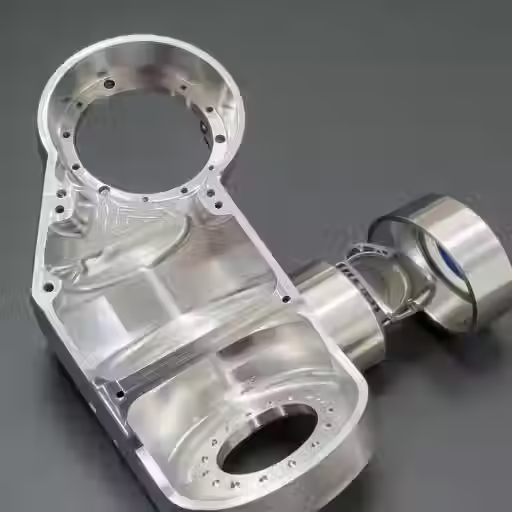
CNC Machining for Functional Robot Parts
CNC machining is one of the most widely used prototyping methods in robotics development.
It is ideal for producing high-precision functional parts that require strength, durability, and tight tolerances.
Typical CNC-Machined Robot Components
· Robot arm structures
· Aluminum brackets
· Motor housings
· Mechanical joints
· Sensor mounts
· Structural frames
Advantages of CNC Machining
· Excellent dimensional accuracy
· Strong engineering-grade materials
· Fast turnaround for custom parts
· Suitable for functional testing
· High-quality surface finish
Common materials include aluminum, stainless steel, ABS, POM, and nylon.
For robotics startups developing mechanical systems or moving assemblies, CNC machining is often the preferred solution for early-stage functional prototypes.
SLA 3D Printing for Appearance Prototypes
SLA (Stereolithography) 3D printing is highly suitable for robotics appearance models and complex housing parts.
It offers excellent surface quality and fine details, making it ideal for presentation prototypes and enclosure validation.
Best Applications of SLA in Robotics
· Robot outer shells
· Humanoid robot head covers
· Display models
· Ergonomic testing
· Investor presentation prototypes
Advantages of SLA Printing
· Smooth surface finish
· High-detail accuracy
· Fast production speed
· Cost-effective for complex geometries
· Ideal for cosmetic parts
SLA prototypes can also be painted, textured, or post-processed to simulate production-quality appearance parts.

SLS Nylon Printing for Functional Testing
SLS (Selective Laser Sintering) is increasingly popular in the robotics industry because it produces strong and lightweight nylon parts without support structures.
This process is especially useful for robotics startups that need durable components for real-world testing.
Common SLS Robot Applications
· Robotic grippers
· End effectors
· Lightweight structural parts
· Cable management components
· Snap-fit assemblies
Benefits of SLS Prototyping
· Strong mechanical properties
· Lightweight nylon material
· Excellent design freedom
· Good impact resistance
· Suitable for low-volume functional parts
Compared to SLA, SLS parts are generally more durable and better suited for mechanical testing environments.

Vacuum Casting for Low-Volume Robot Production
After prototype validation, many robotics startups require small production batches before investing in injection molding.
Vacuum casting is an ideal bridge manufacturing solution.
When Robotics Companies Use Vacuum Casting
· Pilot production
· Market testing
· Beta product launches
· Engineering verification builds
· Small-batch customer demos
Advantages of Vacuum Casting
· Lower cost than injection molding
· Fast low-volume production
· Consistent appearance quality
· Multiple material options
· Ideal for 10–100 units
Vacuum casting is commonly used for robot housings, covers, and silicone-like flexible components.

Sheet Metal Fabrication for Robot Frames
For larger robotic systems and industrial automation equipment, sheet metal fabrication is often required.
Typical applications include:
· Robot chassis
· Control cabinets
· Mounting structures
· Protective enclosures
Sheet metal prototypes offer excellent structural stability and are suitable for industrial robot development.

How Robotics Startups Choose the Right Prototyping Method
Different stages of robot development require different manufacturing technologies.
Development Stage | Recommended Process |
Concept validation | SLA 3D Printing |
Appearance prototype | SLA + Painting |
Functional mechanical testing | |
Lightweight moving parts | SLS Nylon Printing |
Low-volume production | Vacuum Casting |
Industrial structures | Sheet Metal Fabrication |
In many robotics projects, multiple prototyping methods are combined to optimize performance, appearance, and development cost.
Key Factors to Consider
When selecting a prototyping solution, robotics startups should evaluate:
Functionality
Will the part undergo mechanical movement or load testing?
Appearance
Is the prototype intended for presentation or investor demonstrations?
Material Performance
Does the component require heat resistance, impact resistance, or lightweight properties?
Production Quantity
Is this a one-off prototype or a small production batch?
Lead Time
How quickly is the prototype needed?
A reliable rapid prototyping supplier can help robotics companies choose the most suitable process based on project requirements.
The Future of Robotics Prototyping
As AI robotics continues to grow, hardware iteration cycles are becoming faster than ever. Robotics startups increasingly rely on rapid manufacturing partners to support agile product development.
The ability to prototype quickly, test efficiently, and iterate continuously is now a major competitive advantage in the robotics industry.
From humanoid robots to smart automation equipment, advanced prototyping technologies are helping robotics innovators bring ideas to market faster.

Best Prototyping Methods for Robotics Startups
Choosing the right prototyping method is essential for robotics startups aiming to accelerate development and reduce manufacturing risks.
CNC machining, SLA 3D printing, SLS nylon printing, vacuum casting, and sheet metal fabrication each offer unique advantages for different robotics applications.
By combining the right manufacturing technologies with fast engineering support, robotics companies can shorten development cycles and improve product performance before mass production.
If you are developing robotic systems, as an experienced rapid prototyping manufacturer, SG PROTO can help turn your concepts into functional prototypes quickly and efficiently.
Comments